
“Is My Blood Pressure Really That Serious?” What Your Numbers Mean for Your Brain and Heart
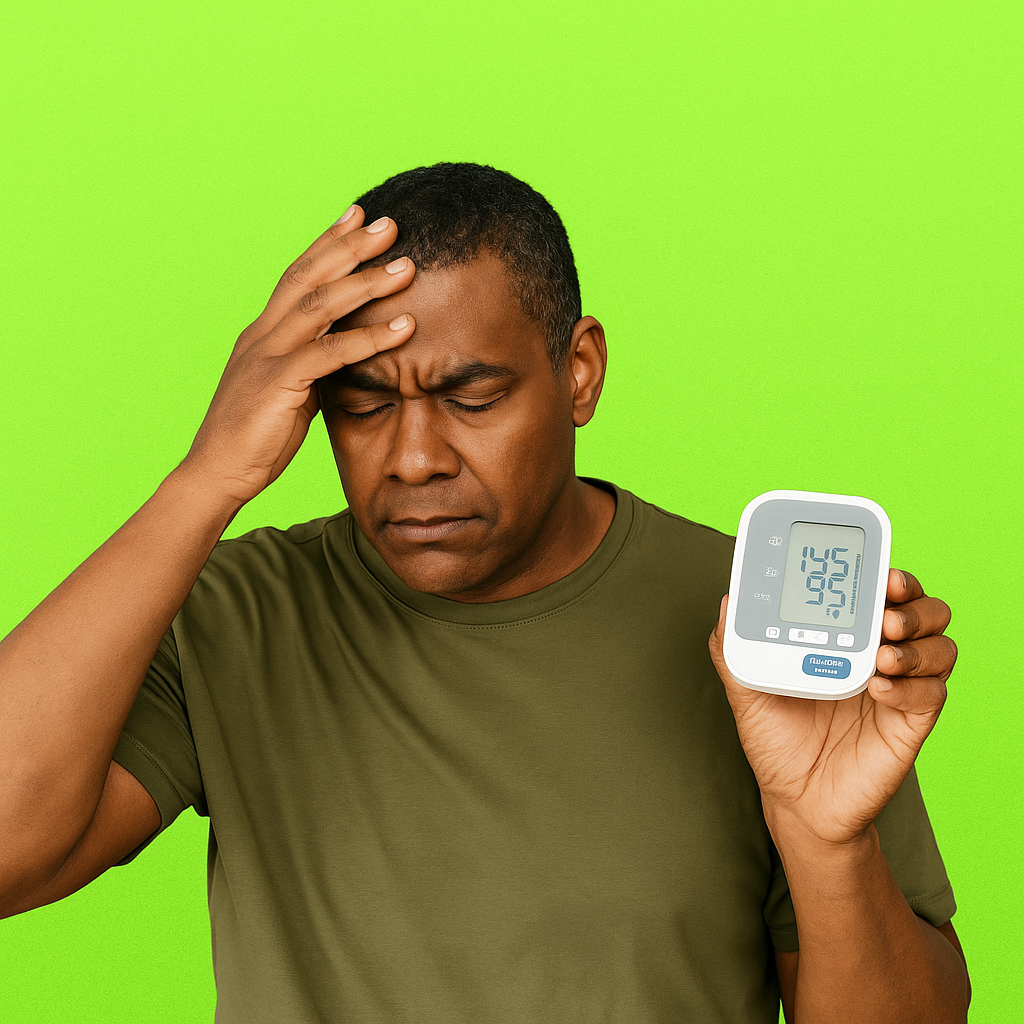
You’re at the doctor’s office.
The cuff squeezes your arm, the machine beeps, and the nurse says a couple of numbers:
“120 over 80. Looks good.”
or
“Hmm… 138 over 92. A little high.”
You nod. You leave.
And if we’re honest, most people forget the numbers before they even reach the parking lot.
But here’s the truth:
Blood pressure isn’t just a “heart thing.” It’s a brain thing, an energy thing, and an aging thing.
Let’s break it down in real language—no medical degree required.
What Do Those Two Numbers Actually Mean?
When you see something like 120/80, you’re seeing two pressures:
Top number (systolic) – the pressure when your heart squeezes and pushes blood out.
Bottom number (diastolic) – the pressure when your heart relaxes and refills.
You can think of it like water pressure in a house:
Too low and nothing gets where it needs to go.
Too high and over time, pipes and fixtures get damaged.
Your blood isn’t just sloshing around for fun. It’s carrying:
oxygen
nutrients
hormones
waste your body needs to clear
to and from every cell—including your brain cells.
So when blood pressure is consistently too high, that extra force is hitting delicate tissues over and over, year after year. You might not feel it today, but your heart and brain do.
“If I Feel Fine, Is It Really A Problem?”
This is where blood pressure is sneaky.
You can have elevated or high blood pressure and feel:
normal
a little tired
maybe more stressed than you’d like
No dramatic symptoms. No loud warnings.
But behind the scenes, that pressure can:
stiffen and damage blood vessel walls
make it harder for your heart to pump efficiently
affect blood flow to the brain, eyes, and kidneys
That’s why doctors take it so seriously—even if you say, “But I feel okay.”
Why Your Brain Cares Deeply About Your Blood Pressure
Your brain is picky. It needs a steady, reliable supply of oxygen and nutrients 24/7. It doesn’t store much; it depends on constant delivery.
Chronically high blood pressure can:
Make blood vessels in the brain stiffer and narrower
Increase the risk of tiny, often “silent” damage over time
Set the stage for serious events down the road
But even before we talk about big scary words, there’s the everyday impact:
more brain fog
slower processing speed
less mental stamina
difficulty focusing for long periods
When circulation isn’t optimal, your brain doesn’t get everything it needs to fire on all cylinders. So you feel it as:
“I’m just not as sharp as I used to be.”
Blood Pressure, Aging, and “Senior Moments”
Aging by itself doesn’t automatically ruin brain health.
But aging + years of high blood pressure? That combination matters.
Over time, high pressure can:
Stress the tiny vessels that feed memory and focus centers
Increase the risk of mild cognitive changes or “little slips”
Make your brain more vulnerable to bigger issues later on
The hopeful side?
Every year you bring your blood pressure into a healthier range is a year you’re protecting your future brain.
You’re not just preventing a possible heart problem—you’re protecting your ability to think clearly, remember, decide, and show up as you.
What Affects Blood Pressure More Than People Realize
You’ve probably heard the basics: salt, weight, genetics.
But there are less-talked-about players that matter just as much:
Stress & nervous system overload
Constant fight-or-flight keeps your vessels tighter and your heart working harder.Poor sleep
When deep sleep is blocked, your blood pressure may stay higher, especially at night.Inflammation
Inflammation can stiffen vessels and make it harder for them to expand and relax.Blood sugar swings
Big spikes and crashes can nudge blood pressure and stress hormones upward.
In other words:
Your everyday chemistry—stress, sleep, inflammation, circulation—is intertwined with that blood pressure reading.
What Actually Helps (Beyond “Just Relax”)
This isn’t about perfection. It’s about stacking small wins that support healthier pressure and better brain flow.
1. Move to Help Your Blood Flow, Not Punish Yourself
Regular movement is one of the most powerful natural supports:
Brisk walks
Light strength training
Cycling, swimming, dancing—whatever you’ll actually do
Aim for movement most days of the week, even if it’s broken into chunks. It helps:
your vessels stay more flexible
your heart get more efficient
your brain receive more oxygen and nutrients
2. Protect Your Sleep Window
Sleep isn’t a luxury; it’s blood pressure medicine.
Help your body:
wind down with dimmer lights and fewer screens
keep a relatively consistent bedtime and wake time
avoid heavy meals and intense arguments right before bed
Deep sleep is when your nervous system resets, and your pressure often dips—if you let it.
3. Eat to Calm, Not Spike
An anti-inflammatory, blood-pressure-friendly pattern isn’t complicated:
more colorful plants (greens, berries, veggies)
more healthy fats (olive oil, avocado, nuts, seeds, omega-3 rich fish)
moderate clean proteins
fewer ultra-processed, sodium-bomb packaged foods
Think of food as instructions to your vessels:
“Relax and repair,” or “Stay inflamed and tense.”
4. Train Your Nervous System to Downshift
Your vessels listen to your nervous system.
Simple stress-regulation practices:
slow exhale breathing (4 in, 6 out)
a short walk after an intense email or meeting
time in nature, even if it’s just a few trees in a parking lot
prayer, journaling, or grounding practices
Over time, these lower your “base” stress so your blood pressure isn’t constantly pushed higher.
Where Nootropics and Circulation-Supportive Nutrients Fit In
Nootropics aren’t a replacement for medical treatment of high blood pressure. Always work with your healthcare provider for diagnosis and management.
But brain- and circulation-supportive nutrients (like the ones in Mindful Perfection) can play a complementary role in your overall brain and vessel health, especially when combined with lifestyle changes.
Conceptually, ingredients like:
Pine Bark Extract – studied for its support of healthy blood flow and vessel function
Phosphatidylserine – supports brain cell membrane integrity and stress response
L-Theanine – promotes calm alertness, helping your nervous system ease out of high-alert mode
B vitamins (B5, B6, B12) – key for energy production and healthy nervous system function
…can support the environment your brain and circulation operate in.
They aren’t magic bullets, but they’re like strategic reinforcements: helping your brain feel clearer, calmer, and more resilient while you do the deeper work of movement, sleep, stress regulation, and nutrition. See these ingredients in Mindful Perfection.
When Should You Take Your Numbers Seriously?
Short answer: now.
Long answer: pay close attention if:
your readings are consistently elevated
you’ve been told you have prehypertension or hypertension
you have a family history of heart or brain issues
you’re noticing brain fog, low energy, or shortness of breath with simple activities
Talk to a healthcare professional about:
getting regular readings (home cuff or pharmacy machines can help track trends)
what range is appropriate for you
whether medication, lifestyle changes, or both are recommended
Ignoring blood pressure doesn’t make it go away.
But addressing it—even in small steps—changes the trajectory of your heart and brain health.
The Bottom Line
So, is your blood pressure really that serious?
Yes—because it isn’t just a number on a chart.
It’s a running report on:
how hard your heart is working
how well your vessels are aging
how much nourishment your brain is getting
how much future clarity, memory, and energy you’re protecting
The good news?
Blood pressure is one of the most changeable things about your health when you start giving your body better inputs—movement, sleep, nutrition, stress support, and, when appropriate, targeted brain and circulation-supportive nutrients.
Every walk, every slow breath, every nutrient-dense meal, every night of deeper sleep is a vote for:
a stronger heart
a clearer brain
a more energized, present version of you
Your numbers matter—because you do.